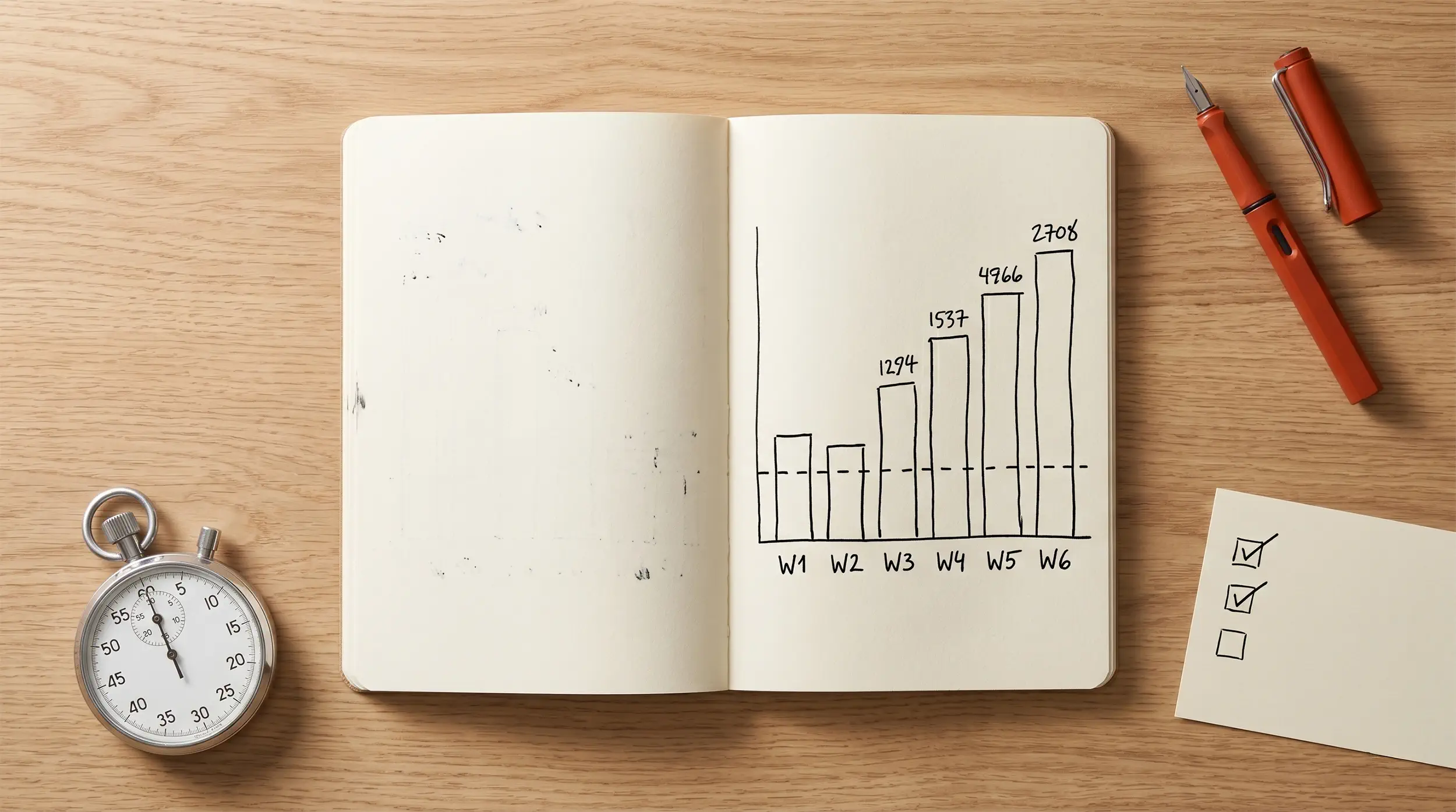
Year one of AI gets all the attention. But the real costs hit later: scaling, maintenance, retraining, and infrastructure. Here's what growing businesses actually spend over five years, and how to plan so you're not blindsided.

Who this is for
You run a growing business. You've started using AI, or you're about to. You've seen the price tags for year one. But nobody's told you what happens after that.
This is for the leader who needs to budget beyond the launch. If you haven't assessed whether your business is ready for AI yet, start there first.
The problem
65%cost increase in years 2-3
A logistics company budgeted $45K for year two. It jumped to $74K by year three because nobody planned for scaling.
Most AI vendors show you what it costs to get started. The demo, the setup, the first pilot. That's the easy number.
What they leave out is what it costs long-term. Keeping it running, growing, and actually useful.
SmartDev's 2025 analysis studied real AI deployments. Their finding: years 2 and 3 cost more than year one for most growing businesses. By a wide margin.
And most budgets don't account for it. A 2026 SME analysis from gigCMO found up to 70% of small business AI initiatives get abandoned before production. The ones that survive routinely exceed budget by 20-70%.
What does year one of AI actually cost?
Year-one costs for a typical AI implementation run $50,000 to $100,000. That covers the basics most people plan for:
- Development: Building or configuring the AI system ($30K-$80K)
- Infrastructure: Cloud hosting for AI workloads ($800-$10K/month)
- Security and compliance: Data governance setup
- Initial training: Getting your team comfortable with the tools
This is the number in the pitch deck. The one you signed off on.
It's also only the beginning.
Why do AI costs increase after year one?
They increase because maintenance, scaling, and expansion hit all at once. After launch, costs climb instead of shrinking.
SmartDev research found post-launch costs run $40,000-$70,000 a year. That covers optimization and scaling. Here's where the money goes:
How much does AI maintenance and retraining cost?
AI systems aren't maintenance-free. What worked in January often breaks by June. Models need retraining as your data changes. Platforms update. APIs shift.
Annual maintenance runs $15,000-$25,000 for bug fixes, performance tuning, and security patches.
What does it cost to expand AI to more teams?
Your first use case works. Great. Now the team wants it in three more departments. Each expansion means new integrations, new data pipelines, and new training.
Feature expansion costs $20,000-$40,000 in years 2-3 as you add use cases and connect more systems.
How much does AI infrastructure cost as you scale?
Going from 1,000 records to 10 million changes everything. Infrastructure costs increase 40-80% as usage and data volumes grow. That $800/month cloud bill can become $5,000/month fast.
What does a real AI budget look like over three years?
A logistics company launched AI for $45,000 in year one. By year three, they were spending $74,000 — a 65% increase. The system was working. The problem was nobody budgeted for success.
Planning your AI budget? We help growing businesses build realistic roadmaps that account for the full cost.
Book a Discovery CallWhat does AI cost over five years?
Growing businesses should budget $200,000-$500,000 over five years. That's the realistic range for a full AI implementation. SmartDev recommends this range depending on scope and how many use cases you scale into.
Here's a rough breakdown for a mid-range implementation:
| Year | Estimated Cost | What's Happening |
|---|---|---|
| Year 1 | $50K-$100K | Build, launch, first pilot |
| Year 2 | $40K-$70K | Optimize, fix issues, expand |
| Year 3 | $50K-$80K | Scale to more teams, infrastructure growth |
| Year 4 | $30K-$50K | Stabilize, reduce manual oversight |
| Year 5 | $25K-$40K | Mature operations, strategic improvements |
The pattern matters. Costs peak in years 2-3, then decline as systems stabilize. But you have to survive the peak to reach the plateau. If you're in that scaling phase right now, read why most AI pilots fail to scale and how to beat the odds.
When does AI start paying for itself?
Most businesses see satisfactory AI ROI in two to four years. The returns are real, but only if you plan for the full timeline.
Deloitte's 2025 survey backs this up. Only 6% see payback in under a year.
But scope matters. Businesses that start with narrow, high-frequency use cases see returns much faster. 2026 SMB benchmarks show focused implementations — customer communication, data entry, repetitive reporting — typically reach positive ROI in 4-8 months. Earlier Pendoah AI research put first-year returns at 300-500% for the tightest pilots.
Start small and specific. Budget for the long game. Don't try to automate everything at once. Strategy before tools — always.
For every dollar invested, growing businesses report $3.50-$4.00 in returns. That's a strong return. You just need to stay funded long enough to collect.
How do you budget for AI without getting blindsided?
Follow these five rules to protect your investment:
1. Why should you budget AI in three-year blocks?
AI doesn't fit neatly into fiscal years. Plan for a three-year minimum commitment. If you can't justify three years of spend, the use case might not be worth starting.
2. How much time goes to data preparation?
About 40% of total project time. Research shows data preparation consumes nearly half the effort. That includes cleaning, formatting, and connecting systems. Build this into your budget and timeline.
3. How much contingency should you set aside?
At least 20%. Models break. APIs change. New compliance requirements appear. A 20% contingency keeps you from scrambling mid-project.
4. How much can a partner reduce AI costs?
By 40-60%. SmartDev's analysis backs this up. Working with the right partner and phasing your rollout cuts total costs by 40-60% versus building in-house. You don't need a full AI team on payroll. Our AI automation and custom software development services are both built around phased rollouts, so year-two costs don't blindside you.
5. Why define success metrics before you spend?
Because unclear ROI is the #1 reason AI projects get killed at the proof-of-concept stage. Define what success looks like before writing the first check. Hours saved. Error rates. Revenue impact.
Key takeaways
- Year one of AI is the cheapest part. Years 2-3 typically cost more.
- A realistic five-year budget is $200K-$500K depending on scope.
- Costs peak in years 2-3, then decline as systems mature.
- Most businesses see satisfactory ROI in 2-4 years. Focused pilots can break even in weeks.
- Budget in three-year blocks. Reserve 20% for surprises. Define success metrics before spending.
- The right partner cuts total cost by 40-60% versus building in-house.
Frequently asked questions
Quick answers to common questions
Why should you plan the full AI journey, not just year one?
The businesses that succeed with AI aren't the ones who spend the most in year one. They're the ones who budget for years two through five.
AI is an investment that compounds over time. Treat it like one.
Book a free discovery call to build a realistic AI roadmap that accounts for the full cost. Launch, scaling, and everything in between. You own everything we build.